
"Guatemalan hard beans"
500 article(s) found

Boutique coffee Guatemalan coffee origin Guatemalan coffee practice
The extra-hard coffee beans here are full-grained, delicious and balanced, and the coffee made with them is pure and rich. Guatemala coffee once enjoyed a reputation as the best quality coffee in the world, but its quality also declined for a time. What is gratifying, however, is that its reputation is gradually being restored. In 1750, Father Jesuit introduced coffee trees to Guatemala, at the end of the 19th century.

Delicious Civet Coffee Features Civet Coffee Price Mandrine Coffee
Cat poop coffee is not worth that much shit! For the past 20 years, cat poop coffee has been the ultimate coffee, regarded by coffee sellers around the world as a moneymaker because of its excellent taste and hard to get, and even appeared in CNN News, Oprah and Hollywood movies. I first read about cats in 1981 in a National Geographic magazine.
The characteristics of Guatemalan coffee beans the origin of Guatemalan baristas
The extra-hard coffee beans here are full-grained, delicious and balanced, and the coffee made with them is pure and rich. Guatemala coffee once enjoyed a reputation as the best quality coffee in the world, but its quality also declined for a time. What is gratifying, however, is that its reputation is gradually being restored. In 1750, Father Jesuit introduced coffee trees to Guatemala, at the end of the 19th century.

The Origin of Guatemalan Coffee can Guatemalan coffee beans be washed
Taste: bitter and fragrant, good taste. The coffee produced in the highland is mellow and has a good sour taste, which is well received and is the best material for mixed coffee. Guatemala very hard beans are elegant and sour, clean and odorless, layered, as well as green apple, berry, jasmine, orange peel, green pepper, sweet and sour fruit, sweet chocolate, and even smoky aftertaste.
The characteristics of Guatemalan coffee beans the practice of Guatemalan coffee beans
The extra-hard coffee beans here are full-grained, delicious and balanced, and the coffee made with them is pure and rich. Guatemala coffee once enjoyed a reputation as the best quality coffee in the world, but its quality also declined for a time. What is gratifying, however, is that its reputation is gradually being restored. In 1750, Father Jesuit introduced coffee trees to Guatemala, at the end of the 19th century.
The characteristics of Guatemalan coffee beans the introduction of Guatemalan coffee beans
The extra-hard coffee beans here are full-grained, delicious and balanced, and the coffee made with them is pure and rich. Guatemala coffee once enjoyed a reputation as the best quality coffee in the world, but its quality also declined for a time. What is gratifying, however, is that its reputation is gradually being restored. In 1750, Father Jesuit introduced coffee trees to Guatemala, at the end of the 19th century.
The characteristics of Guatemalan coffee beans the introduction of Guatemalan coffee beans
The extra-hard coffee beans here are full-grained, delicious and balanced, and the coffee made with them is pure and rich. Guatemala coffee once enjoyed a reputation as the best quality coffee in the world, but its quality also declined for a time. What is gratifying, however, is that its reputation is gradually being restored. In 1750, Father Jesuit introduced coffee trees to Guatemala, at the end of the 19th century.

The characteristics of Guatemalan coffee beans. Fine coffee with Guatemalan coffee beans.
The extra-hard coffee beans here are full-grained, delicious and balanced, and the coffee made with them is pure and rich. Guatemala coffee once enjoyed a reputation as the best quality coffee in the world, but its quality also declined for a time. What is gratifying, however, is that its reputation is gradually being restored. In 1750, Father Jesuit introduced coffee trees to Guatemala, at the end of the 19th century.

The characteristics of Guatemalan coffee beans. Fine coffee with Guatemalan coffee beans.
The extra-hard coffee beans here are full-grained, delicious and balanced, and the coffee made with them is pure and rich. Guatemala coffee once enjoyed a reputation as the best quality coffee in the world, but its quality also declined for a time. What is gratifying, however, is that its reputation is gradually being restored. In 1750, Father Jesuit introduced coffee trees to Guatemala, at the end of the 19th century.
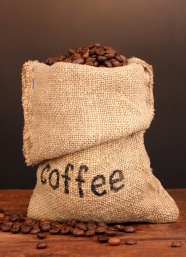
Boutique coffee Guatemalan coffee introduces the characteristics of Guatemalan coffee
The extra-hard coffee beans here are full-grained, delicious and balanced, and the coffee made with them is pure and rich. Guatemala coffee once enjoyed a reputation as the best quality coffee in the world, but its quality also declined for a time. What is gratifying, however, is that its reputation is gradually being restored. In 1750, Father Jesuit introduced coffee trees to Guatemala, at the end of the 19th century.
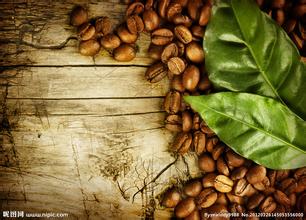
Boutique coffee Guatemalan coffee introduces the characteristics of Guatemalan coffee
The extra-hard coffee beans here are full-grained, delicious and balanced, and the coffee made with them is pure and rich. Guatemala coffee once enjoyed a reputation as the best quality coffee in the world, but its quality also declined for a time. What is gratifying, however, is that its reputation is gradually being restored. In 1750, Father Jesuit introduced coffee trees to Guatemala, at the end of the 19th century.
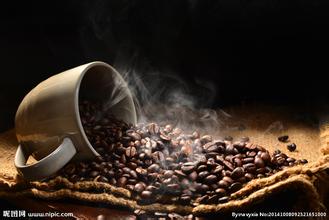
Boutique coffee Guatemalan coffee introduces the characteristics of Guatemalan coffee
The extra-hard coffee beans here are full-grained, delicious and balanced, and the coffee made with them is pure and rich. Guatemala coffee once enjoyed a reputation as the best quality coffee in the world, but its quality also declined for a time. What is gratifying, however, is that its reputation is gradually being restored. In 1750, Father Jesuit introduced coffee trees to Guatemala, at the end of the 19th century.

Boutique coffee Guatemalan coffee introduces the characteristics of Guatemalan coffee
The extra-hard coffee beans here are full-grained, delicious and balanced, and the coffee made with them is pure and rich. Guatemala coffee once enjoyed a reputation as the best quality coffee in the world, but its quality also declined for a time. What is gratifying, however, is that its reputation is gradually being restored. In 1750, Father Jesuit introduced coffee trees to Guatemala, at the end of the 19th century.

Guatemalan coffee flavor Guatemalan coffee variety
Taste: bitter and fragrant, good taste. The coffee produced in the highland is mellow and has a good sour taste, which is well received and is the best material for mixed coffee. Guatemala very hard beans are elegant and sour, clean and odorless, layered, as well as green apple, berry, jasmine, orange peel, green pepper, sweet and sour fruit, sweet chocolate, and even smoky aftertaste.

Characteristics of Guatemalan coffee beans the origin of Guatemalan coffee beans boutique coffee
The extra-hard coffee beans here are full-grained, delicious and balanced, and the coffee made with them is pure and rich. Guatemala coffee once enjoyed a reputation as the best quality coffee in the world, but its quality also declined for a time. What is gratifying, however, is that its reputation is gradually being restored. In 1750, Father Jesuit introduced coffee trees to Guatemala, at the end of the 19th century.
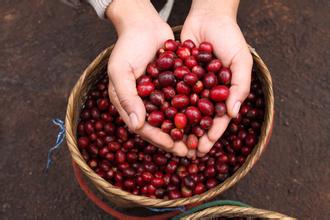
The origin of Guatemalan coffee beans the planting method of Guatemalan coffee beans
The extra-hard coffee beans here are full-grained, delicious and balanced, and the coffee made with them is pure and rich. Guatemala coffee once enjoyed a reputation as the best quality coffee in the world, but its quality also declined for a time. What is gratifying, however, is that its reputation is gradually being restored. In 1750, Father Jesuit introduced coffee trees to Guatemala, at the end of the 19th century.

Introduction of Guatemalan Coffee planting Environment introduction of Guatemalan Coffee Manor
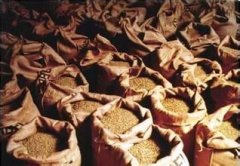
Guatemalan coffee beans are mostly cultivated in high-altitude volcanic soils belonging to the most advanced Arabica (Arabica) species. Due to the long ripening period, the beans are medium and dense (Guatemalan coffee beans are graded not on the basis of particle size, but on the basis of shortcomings), and the bean color is dark turquoise. Fragrant, mellow, sweet
Guatemala boutique coffee bean grade classification Guatemala boutique coffee types Guatemalan essence
Coffee is the second largest commodity in the world after oil in trade. Arabica accounts for about 70% of the world coffee production, and about 10% of these 70% Arabica receive fine coffee called Specialty Coffee boutique coffee. Among these excellent coffee into the category of boutique coffee, 1% to 2% of the outstanding coffee are good enough to represent their own origin.

Introduction to the origin of coffee-- Guatemalan Fine Coffee with unique Flavor
Guatemalan coffee is produced in the The Republic of Guatemala countries of northwestern Central America. The country's mountain forest area accounts for 2/3 of the national area, rich in high-quality coffee beans, its strong sour taste, mellow taste and slightly wild, can be used as a single drink or for the preparation of comprehensive coffee. 1. Guatemalan coffee taste: bitter and fragrant, good taste. High